Waterway Traffic Signals for Canals and Seaports
Efficient maritime navigation depends on clear, reliable, and highly visible signaling systems. Waterway traffic signals play a critical role in managing vessel movements within canals, ports, harbors, and inland waterways. Designed to withstand harsh marine environments, these systems ensure safe navigation, reduce collision risks, and optimize traffic flow in complex maritime zones. Lock trafic light systems are particularly important for coordinating vessel movement through narrow lock chambers.
From commercial ports to industrial docks and canal infrastructures, properly engineered waterway traffic signals help regulate vessel entry, exit, docking procedures, and restricted navigation areas. Their visibility, durability, and compliance with maritime standards make them essential components of modern port and canal management systems.
Port and Canal Traffic Light Systems
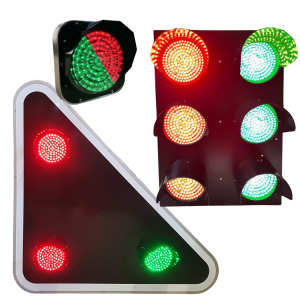
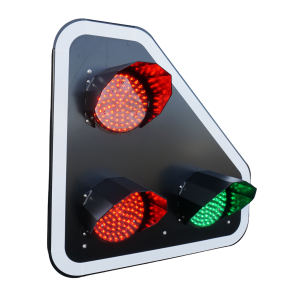
A port and canal traffic light system is specifically designed to manage vessel movements in confined or high-traffic areas. These signaling solutions provide clear instructions to ship captains and operators, indicating when to proceed, slow down, or stop. In busy canal locks, narrow waterways, or harbor entrances, accurate signaling is crucial to prevent congestion and accidents. Advanced 4-Light Lock signal systems are commonly deployed in major waterways to improve safety and efficiency.
Port and canal traffic light installations are typically positioned at strategic entry and exit points, lock chambers, bridges, and docking areas. Built with high-intensity LED technology, they ensure optimal visibility in daylight, nighttime, fog, rain, and challenging sea conditions. Their robust construction guarantees long-term performance despite exposure to saltwater, humidity, wind, and vibration.
Vessel Traffic Lights for Vessel Navigation
Vessel traffic lights are engineered to meet the specific requirements of maritime environments. Unlike standard road systems, marine lighting must account for longer viewing distances, reflective water surfaces, and varying weather conditions. These systems provide clear color-coded signals that are easily recognizable from afar, allowing vessels to anticipate movements and adjust speed accordingly.
High-performance vessel traffic lights are commonly installed in commercial ports, cargo terminals, fishing harbors, and industrial maritime zones. They help coordinate ship traffic, especially in areas where multiple vessels operate simultaneously. By improving communication between port authorities and ship operators, vessel traffic lights enhance safety and operational efficiency. Collaboration with a trusted light signaling manufacturer ensures that all components meet international standards.
Ship Traffic Lights for Port Operations
In large-scale seaport infrastructures, ship traffic lights are vital for coordinating docking procedures and managing vessel flow. These systems regulate ship entry into loading zones, fuel stations, maintenance docks, and restricted maritime areas. Clear visual signaling ensures that vessels move in an organized and controlled manner, minimizing the risk of collision or operational delays.
Ship traffic lights can also be integrated with vessel traffic management systems (VTMS), allowing port authorities to monitor and control navigation in real time. This integration supports safer maneuvering, especially in congested ports where commercial, industrial, and passenger vessels share the same waterways.
Port Safety Lighting for Hazard Prevention
Beyond traffic control, port safety lighting plays a crucial role in reducing risks across maritime infrastructures. Proper illumination of docks, quay walls, navigation channels, and restricted zones improves visibility for vessel operators and ground personnel alike. High-quality port safety lighting enhances situational awareness, reduces accident rates, and supports 24/7 operations in busy seaports.
Energy-efficient LED systems are particularly suited for port safety lighting applications. They offer strong brightness, low power consumption, and extended service life. Their resistance to corrosion and environmental stress ensures reliable operation even in demanding coastal conditions.
Durable and Compliant Maritime Signaling Solutions
All waterway traffic signals must meet strict maritime safety regulations and operational standards. Designed with corrosion-resistant materials and sealed electrical components, these systems are built for durability and long-term reliability. Whether installed in inland canals or international seaports, vessel traffic lights must deliver consistent performance under continuous exposure to salt air and fluctuating temperatures.
By combining port and canal traffic light systems with advanced vessel traffic lights and port safety lighting, infrastructure operators create a comprehensive maritime signaling network. This integrated approach enhances traffic coordination, improves safety margins, and supports efficient cargo and passenger transport.
A Strategic Investment for Modern Seaports
Investing in professional waterway traffic signals ensures safer navigation, reduced operational risks, and optimized vessel flow. From vessel traffic lights to ship traffic lights and advanced port safety lighting systems, each component contributes to a secure and efficient maritime environment.
For port authorities, canal operators, and maritime infrastructure managers, reliable signaling solutions are essential to maintaining high safety standards and operational excellence. Modern waterway traffic signals provide the visibility, durability, and integration needed, while Road Traffic Signals ensure smooth coordination between road and port infrastructures. Port traffic light systems remain a core element of this integrated network.