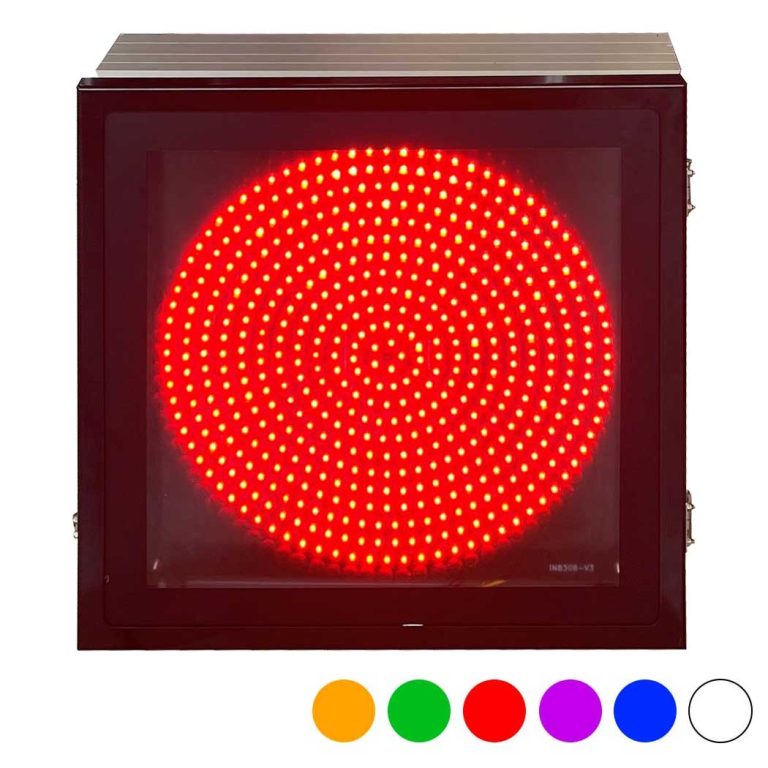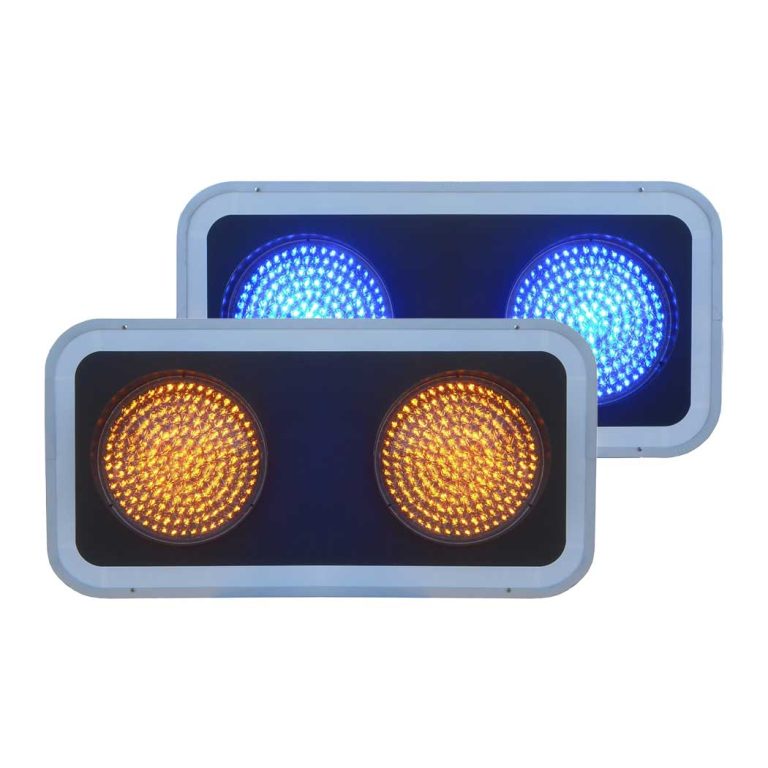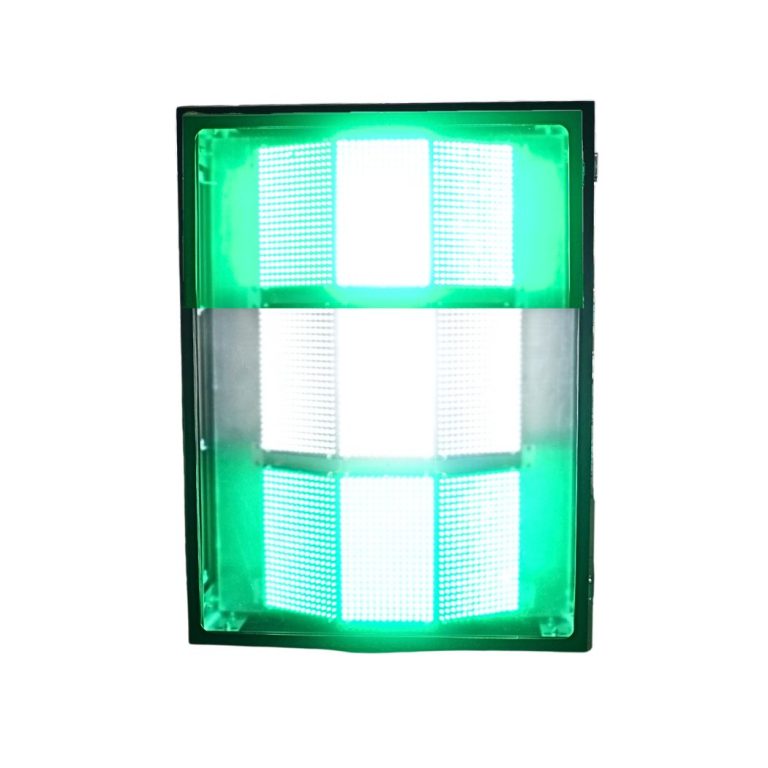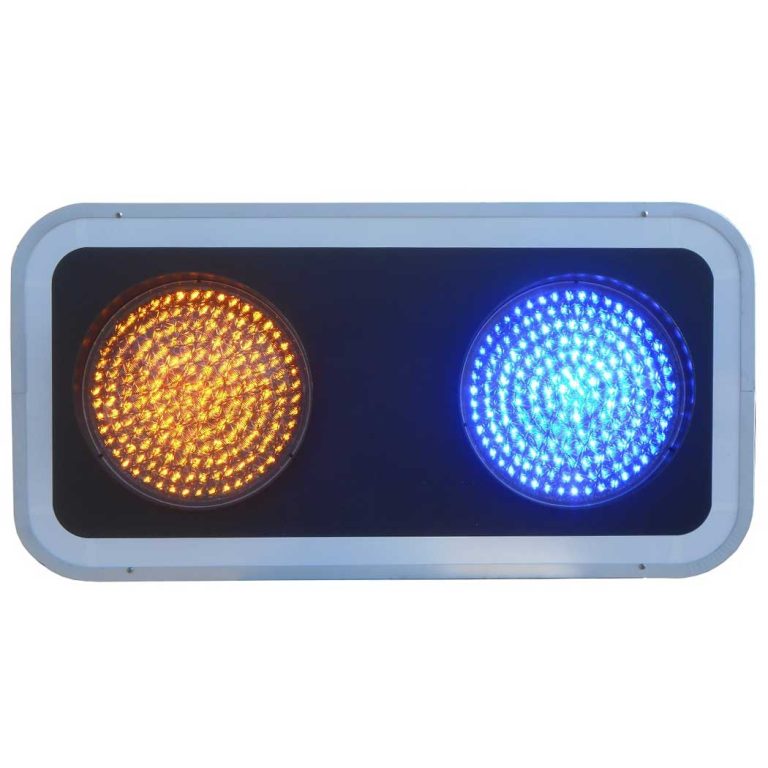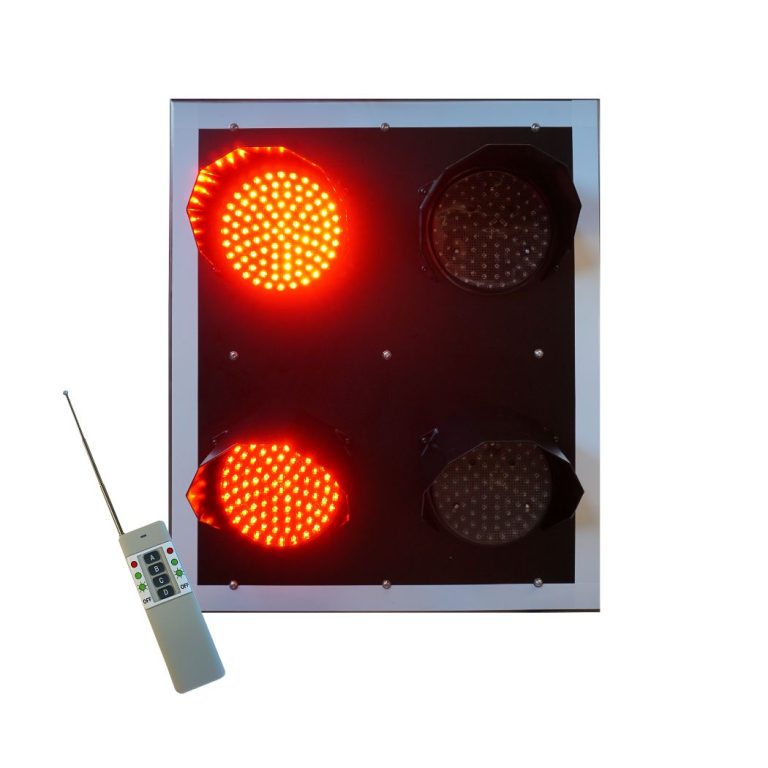

Port traffic lights regulate vessel movement within seaports, cargo terminals, and docking zones, ensuring safe and efficient navigation. Using high-visibility LED technology, they provide clear instructions for entry, exit, and channel management under all weather and lighting conditions. Durable, corrosion-resistant, and energy-efficient, these systems enhance safety, reduce congestion, and integrate effectively into modern maritime traffic management infrastructure.

Modern ports operate in complex and high-traffic environments where precision, coordination, and safety are critical. Port traffic lights are essential systems designed to regulate vessel movement within seaports, cargo terminals, docking zones, and restricted maritime areas. As part of broader Waterway traffic signals networks, these systems help standardize navigation control across ports and inland waterways. By providing clear visual instructions, these signaling systems help prevent collisions, reduce congestion, and ensure smooth port operations.
In busy seaports handling commercial vessels, container ships, ferries, and service boats, organized traffic control is indispensable. Port traffic lights guide ships during entry and exit procedures, docking operations, and navigation through controlled harbor channels. Their reliability directly impacts operational efficiency and maritime safety.
Maritime traffic lights are specifically engineered for demanding coastal environments. Unlike conventional signaling systems, maritime installations must withstand saltwater corrosion, strong winds, humidity, and constant exposure to sunlight. High-performance materials and marine-grade protective coatings ensure long-term durability and consistent operation.
These systems use high-intensity LED technology to deliver optimal visibility in daylight, nighttime, fog, and adverse weather conditions. Clear color signaling enables captains to quickly interpret instructions, whether approaching harbor entrances or maneuvering within confined docking spaces. Maritime traffic lights are particularly important in high-density ports where multiple vessels operate simultaneously.
In certain port areas connected to canal infrastructure, systems such as lock traffic lights or a dedicated 4-Light Lock signal configuration may also be deployed to coordinate vessel movement through controlled maritime passages.
By improving communication between port authorities and ship operators, maritime traffic lights significantly reduce the risk of navigational errors.
Harbour traffic lights are strategically installed at port entrances, breakwaters, quay walls, loading terminals, and channel intersections. Their role is to regulate vessel flow and ensure safe passage in restricted maritime zones. In narrow harbor channels, clear signaling prevents bottlenecks and minimizes the risk of collision between inbound and outbound ships.
Harbour traffic lights are also essential during maintenance operations, temporary closures, or emergency situations. When sections of a harbor become restricted, clear visual communication ensures vessels can safely reroute or wait in designated areas.
Advanced LED harbour traffic lights provide long viewing distances and stable brightness levels, even across reflective water surfaces. Their design ensures signals remain unmistakable under changing light conditions throughout the day.
Beyond individual lights, complete port traffic signals systems integrate multiple signaling units into a coordinated network. These systems can be connected to centralized control platforms, allowing real-time monitoring and remote management. Port operators can adjust signal phases depending on vessel traffic density, docking schedules, or specific operational requirements.
Port traffic signals are often synchronized with vessel traffic management systems (VTMS), radar monitoring, and communication tools. This integration enhances situational awareness and supports efficient traffic coordination within large commercial ports.
By using automated port traffic signals, infrastructure managers can reduce waiting times, improve docking precision, and optimize overall maritime logistics. Efficient signaling contributes to faster turnaround times for cargo operations, directly benefiting port productivity.
Modern port traffic lights rely on energy-efficient LED modules that offer superior brightness, low power consumption, and extended lifespan. Compared to traditional lighting technologies, LEDs reduce maintenance needs and operational costs while delivering consistent performance.
In marine environments, reliability is crucial. Maritime traffic lights must operate continuously, often 24/7, without interruption. Robust housing designs, sealed optical units, and corrosion-resistant components ensure that port traffic signals remain operational even in harsh coastal climates.
The durability of harbour traffic lights and port traffic lights minimizes downtime and reduces long-term infrastructure expenses. This makes them a strategic investment for port authorities seeking sustainable and cost-effective traffic management solutions, especially when developed in collaboration with an experienced light signaling manufacturer.
Safety is the primary objective of any port signaling system. Properly installed port traffic lights reduce collision risks, guide vessels through designated routes, and improve coordination between ships and harbor control teams. Clear maritime traffic lights help captains anticipate traffic conditions and adjust speed or maneuvering accordingly.
In complex port environments where commercial shipping, passenger ferries, and service vessels intersect, structured traffic control is essential. Harbour traffic lights and integrated port traffic signals create a predictable navigation framework that enhances operational security.
Investing in high-quality port traffic lights ensures long-term safety, regulatory compliance, and optimized maritime operations. From advanced maritime traffic lights to coordinated port traffic signals and durable harbour traffic lights, each component contributes to a secure and efficient seaport environment.
For port authorities, terminal operators, and maritime infrastructure managers, professional signaling systems are fundamental to maintaining safe navigation standards and supporting increasing global maritime traffic demands. Reliable port traffic lights provide the visibility, durability, and technological integration required for today’s modern seaport infrastructure.
Try different search terms