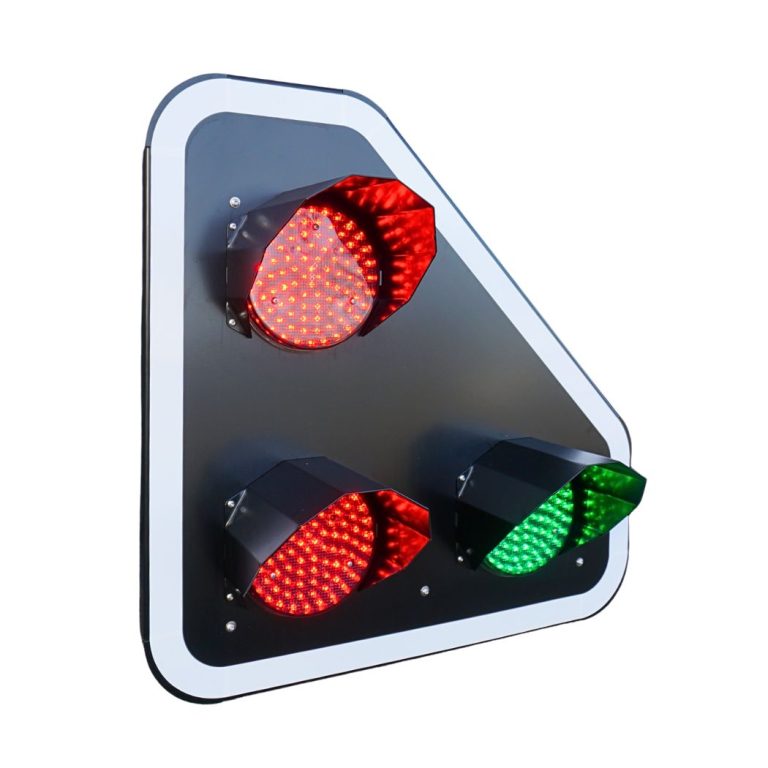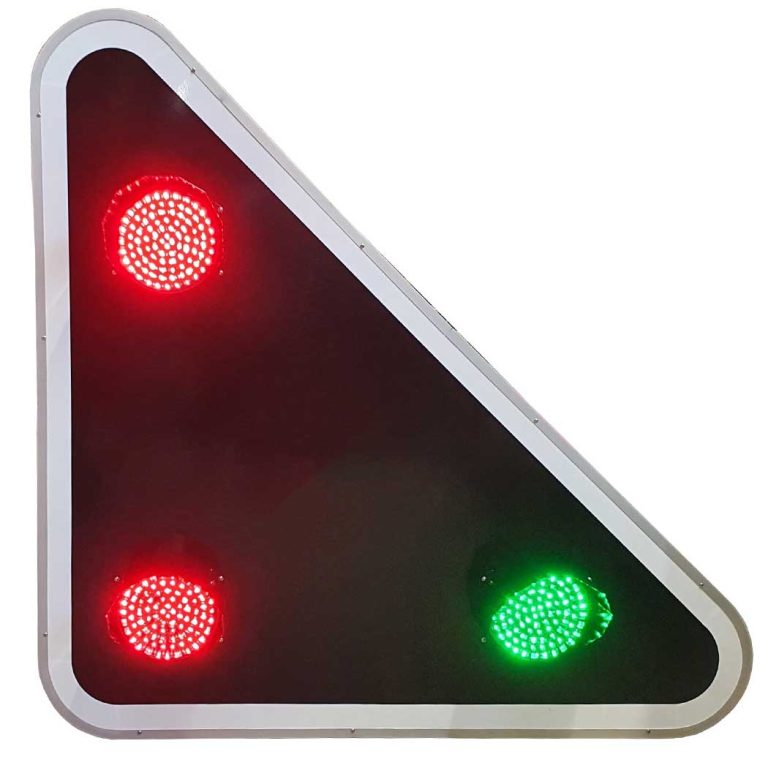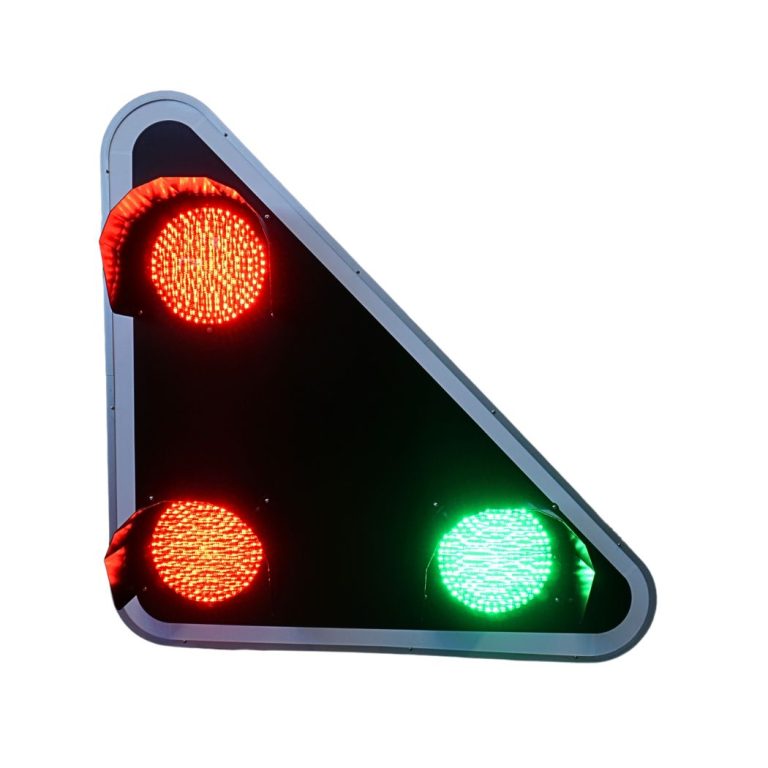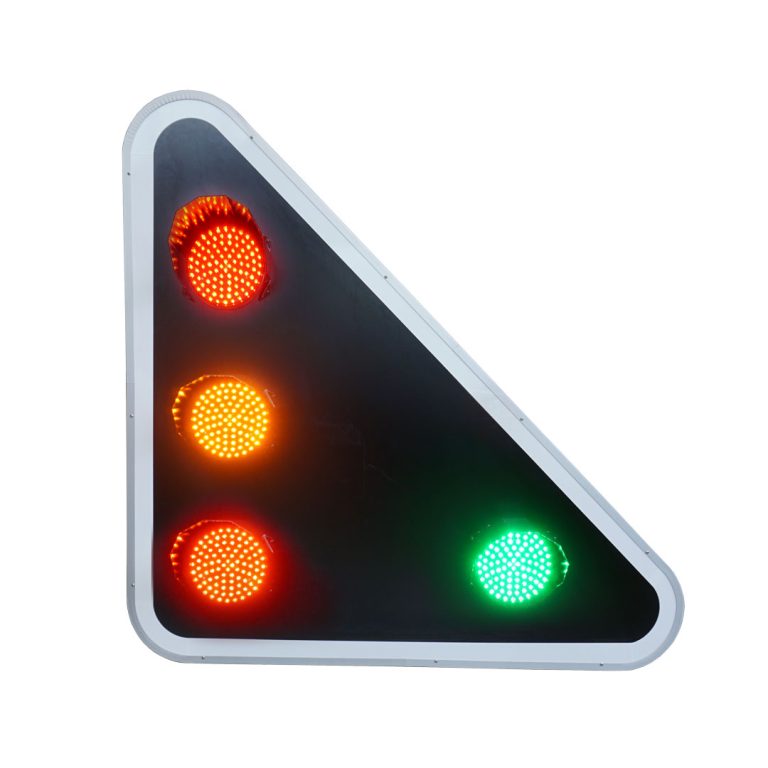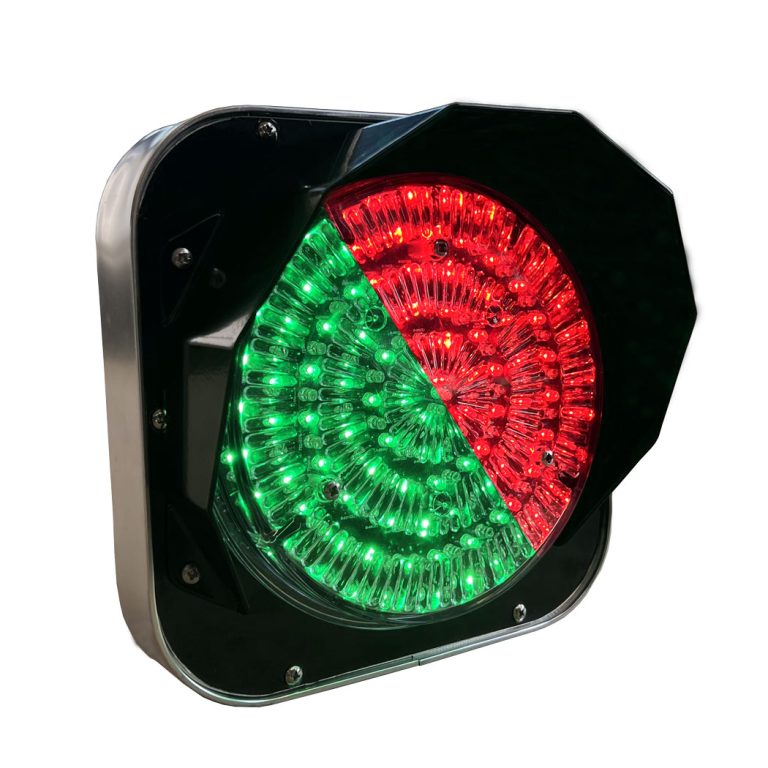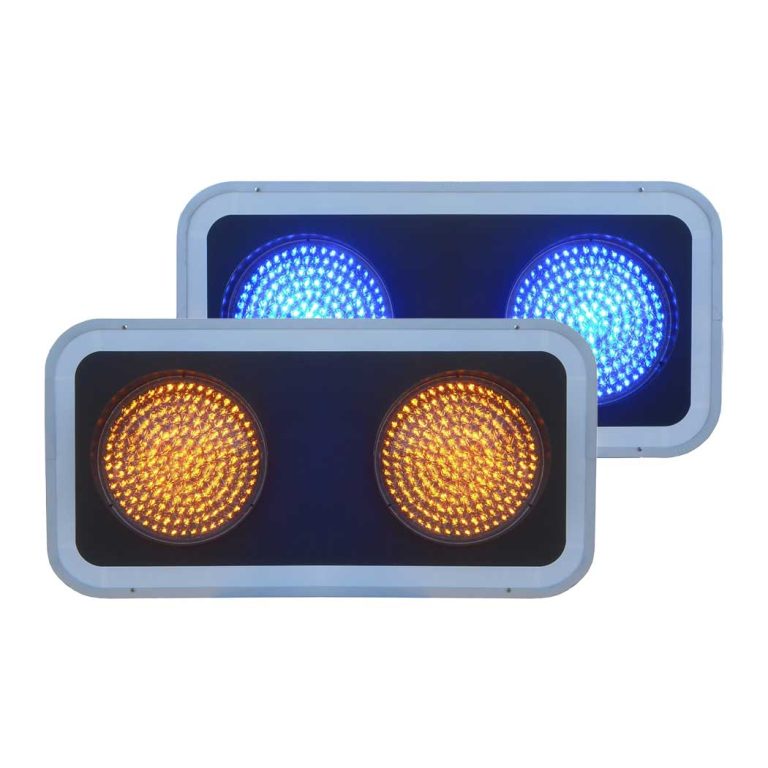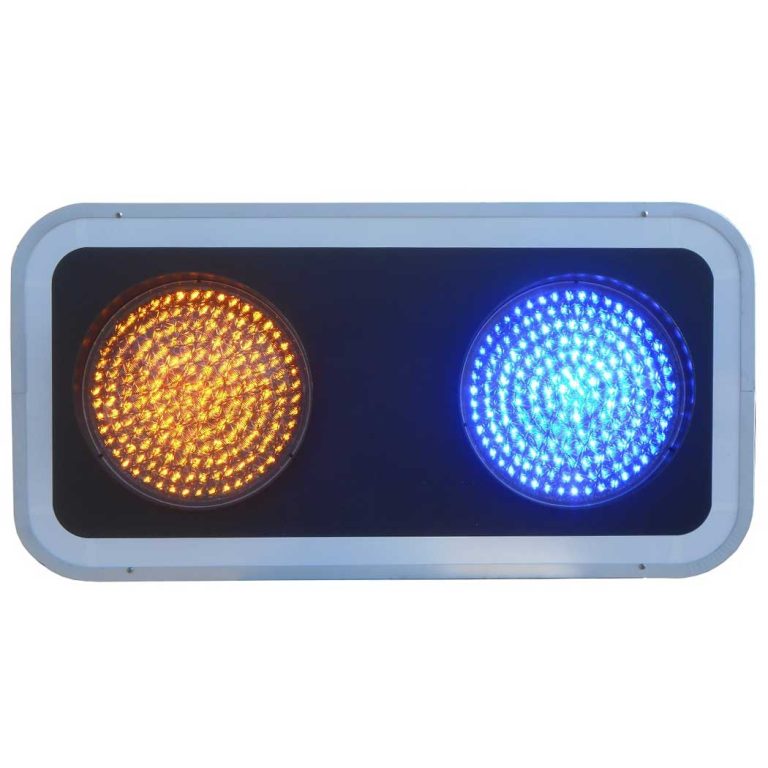

Lock traffic lights regulate vessel movement in canals and inland waterways, ensuring safe and coordinated navigation through lock chambers. Using high-visibility LED technology, including red and green signals, they provide clear stop and proceed instructions in all weather and lighting conditions. Durable and corrosion-resistant, these systems enhance safety, reduce congestion, and integrate efficiently into modern waterway traffic management infrastructure.
Efficient lock management is essential for maintaining safe and organized navigation along canals and inland waterways. Lock traffic lights are specifically designed to regulate vessel movement when entering, exiting, or waiting inside lock chambers. These signaling systems provide clear visual instructions to boat operators, ensuring smooth coordination and preventing dangerous situations in confined spaces.
Waterway traffic signals play a complementary role by managing vessel movements across the entire canal network.
Locks represent high-risk areas due to restricted maneuvering room, changing water levels, and the presence of multiple vessels. Reliable lock traffic lights help eliminate confusion by delivering simple, universally understood signals that guide captains through each phase of the locking process.
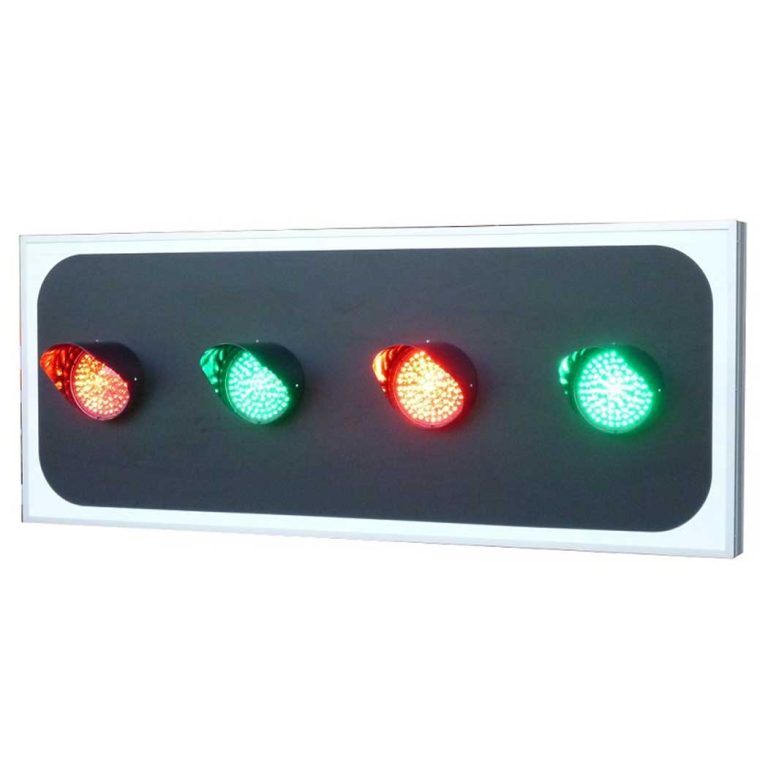
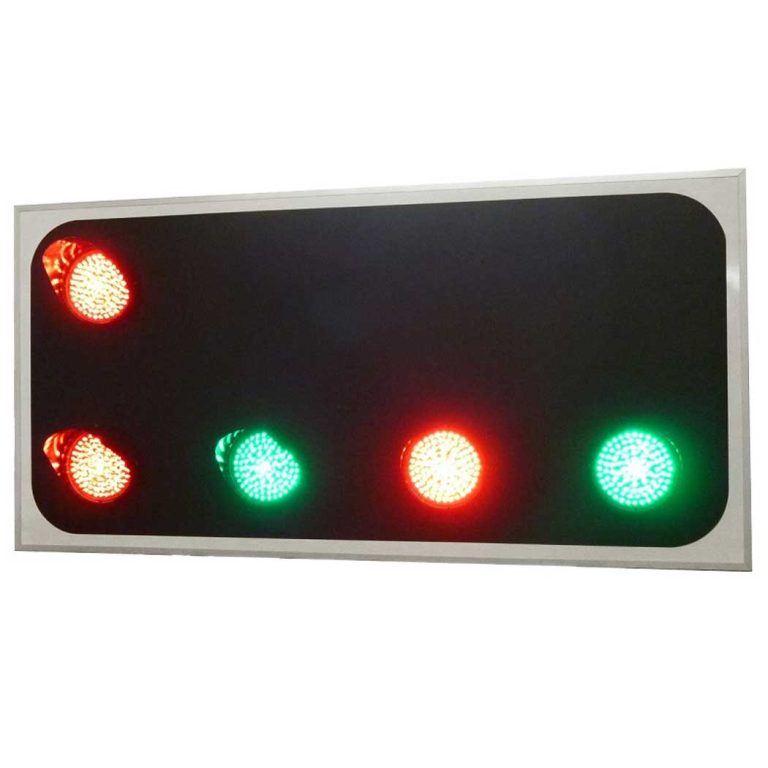
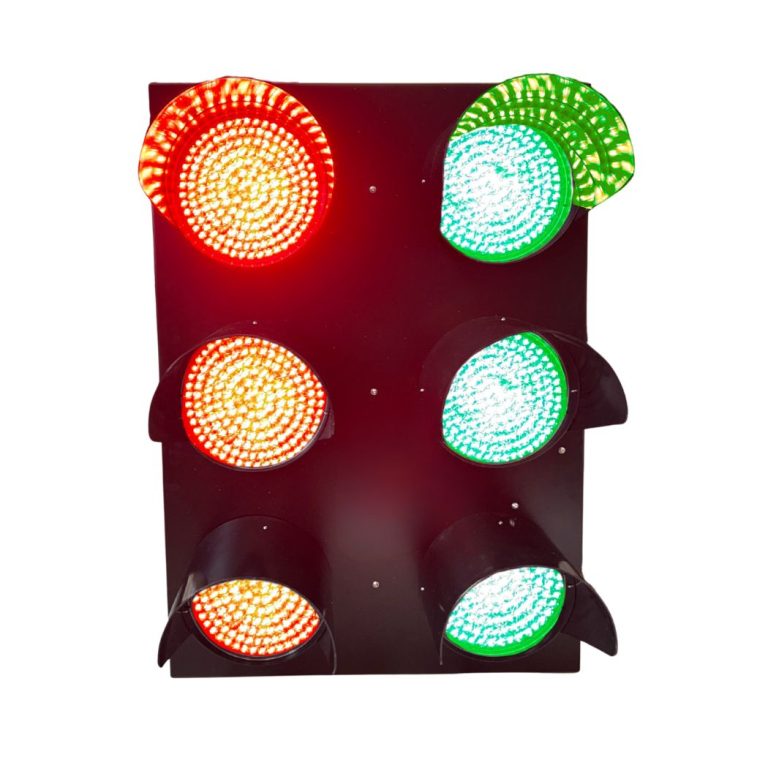
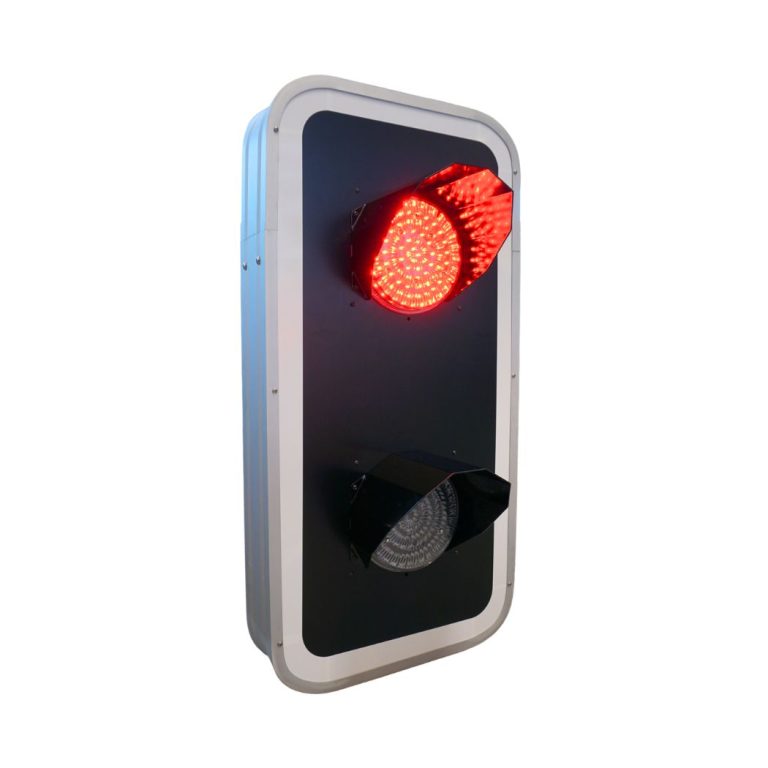
The most widely used configuration includes red and green canal lock lights, which clearly indicate when vessels must stop or may proceed. A red signal instructs vessels to wait, typically during water level adjustments or when the chamber is occupied. A green signal authorizes safe entry or exit once conditions are secure. 4-Light Lock signal systems are often deployed in major canal locks to provide additional visual cues for complex traffic conditions.
These red and green canal lock lights are engineered for maximum visibility in all weather conditions, including fog, rain, strong sunlight, or nighttime operations. High-intensity LED technology ensures that signals remain bright and unmistakable, even over longer viewing distances across open water.
By using standardized color codes, lock traffic lights promote safe navigation practices and reduce the risk of collisions near lock gates or approach channels.
Beyond individual lock chambers, canal traffic lights are installed along approach zones, waiting areas, and restricted sections of waterways. These systems help manage vessel flow during peak traffic periods, maintenance operations, or emergency situations.
Canal traffic lights contribute to better coordination between lock operators and vessel captains. When integrated into broader waterway control systems, they allow real-time adjustments based on traffic density or operational requirements. This coordinated approach improves efficiency while maintaining strict safety standards.
Designed for marine environments, these systems feature corrosion-resistant materials and sealed electrical components to withstand moisture, splashing water, and fluctuating temperatures. Their durability ensures long-term performance in demanding canal infrastructures. Working with a reliable light signaling manufacturer guarantees quality and compliance with international standards.
In addition to canals, river lock traffic lights are widely used on inland rivers with controlled lock systems. River navigation often involves commercial barges, passenger boats, and recreational vessels sharing the same infrastructure. Clear signaling is essential to manage this mixed traffic safely.
River lock traffic lights provide advanced visibility across wide riverbanks and varying water levels. Elevated mounting structures and high-lumen LED modules ensure that signals remain clearly visible from a distance. This helps vessel operators anticipate lock access conditions early and adjust their approach speed accordingly.
By coordinating river traffic efficiently, lock traffic lights reduce waiting times, prevent congestion, and enhance the overall flow of inland maritime transport. Port traffic light systems can be integrated at port entrances to complement inland signaling and ensure seamless transitions between waterways and harbor areas.
Modern lock traffic lights rely on energy-efficient LED systems that deliver long operational lifespans with minimal maintenance. LEDs offer consistent brightness, low energy consumption, and immediate illumination without warm-up delays. This is particularly important in lock operations, where real-time signaling accuracy is critical.
The integration of smart control systems allows operators to automate signal changes based on lock status, water levels, or traffic conditions. These advanced canal traffic lights can also be connected to centralized monitoring platforms, enabling remote management and rapid response in case of incidents.
Lock environments are exposed to humidity, vibrations, and frequent mechanical operations. Therefore, lock traffic lights are manufactured with robust housings and marine-grade coatings to resist corrosion and wear. Their reliability ensures uninterrupted service in high-traffic waterways.
Whether installed in narrow canals or wide river systems, red and green canal lock lights and river lock traffic lights must meet strict safety and operational standards. Investing in high-quality signaling equipment ensures long-term reliability and enhanced navigation safety.
A comprehensive signaling strategy combining lock traffic lights, canal traffic lights, and river lock traffic lights helps create a structured and predictable navigation environment. Clear communication between infrastructure operators and vessel captains reduces accidents, protects lock mechanisms, and supports efficient waterway operations.
For canal authorities, port managers, and inland waterway operators, professional lock traffic lights represent a strategic investment in safety and performance. By implementing reliable red and green canal lock lights and advanced signaling systems, operators can maintain smooth traffic flow while meeting modern maritime safety requirements.
Try different search terms